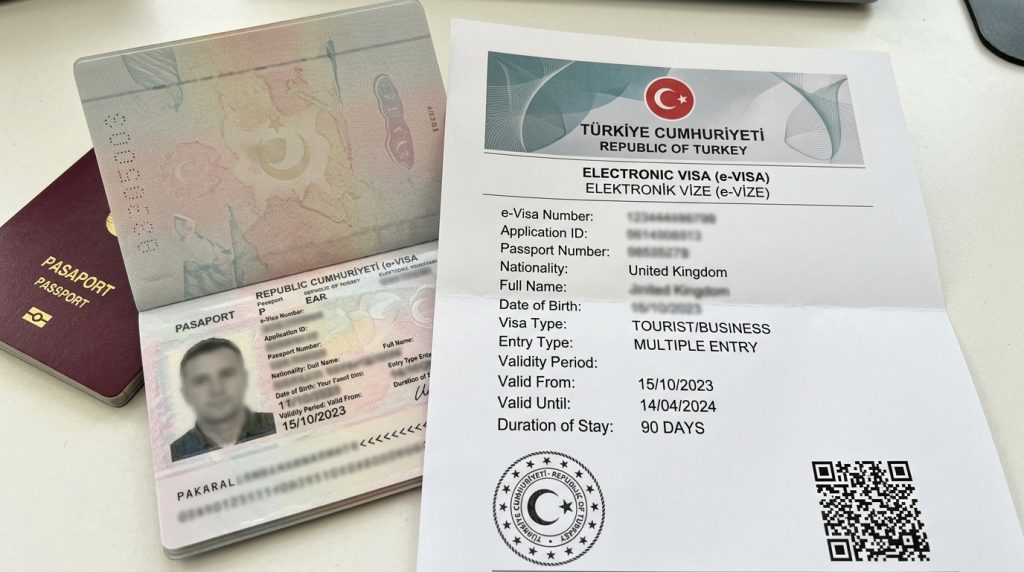
Turkey remains one of the world’s most alluring destinations, drawing travelers with its spectacular blend of Ottoman history, vibrant coastal cities, and world-renowned hospitality. For global citizens seeking to wander through Istanbul’s historic Grand Bazaar or gaze at the fairy chimneys of Cappadocia, entering the country has been made significantly faster through the electronic visa system. This streamlined gateway eliminates the old, time-consuming methods of booking embassy appointments and waiting weeks for a physical passport stamp.
However, maximizing the speed of the online network requires a solid understanding of structural requirements and application protocols. Taking the time to prepare your documentation carefully will guarantee a smooth entry into this historic Mediterranean crossroads.
Tailored Pathways for International Applicants
Turkey’s online visa infrastructure is highly accessible, yet it applies distinct criteria depending strictly on the applicant’s country of citizenship. The electronic portal automatically calibrates its terms based on your passport type and bilateral agreements.
For instance, certain passport holders must fulfill specific conditional entry criteria, such as carrying an active supporting document from the United States, the United Kingdom, or the Schengen zone. Travelers organizing their departure from the Middle East should pay close attention to these tailored rules. Specifically, coordinating a Turkey Visa from Palestine requires ensuring that your ordinary passport is accompanied by a valid qualifying visa or residence permit from an approved western nation, alongside a round-trip ticket with an eligible airline.
By confirming these individualized conditions before booking non-refundable hotels, you protect your travel itinerary from unexpected administrative hurdles at the departure gate.
Smart Strategies to Guard Against Delays
While the digital form is remarkably straightforward, the electronic processing system is entirely automated and uncompromising when it comes to clerical accuracy. Minor errors that seem insignificant can lead to instant rejections, forcing travelers to start over from scratch and repay the government processing fees.
To seamlessly Avoid Rejection of Turkish Visa submissions, applicants must maintain total alignment between their travel documents and the digital form. A common pitfall involves entering a middle name incorrectly or transposing passport numbers and letters—especially the number zero and the letter “O”. Furthermore, your passport must possess a minimum validity of six months stretching past your intended arrival date. Ensuring your digital contact information is completely accurate is equally critical, as all official updates and the final downloadable visa document are delivered exclusively via email.
Final Preparations for a Flawless Arrival
Once your electronic travel authorization drops into your inbox, completing a few final procedural checks will guarantee a stress-free experience when facing Turkish border control.
- Print Physical Copies: Even though immigration officers can cross-reference your authorization digitally, always keep at least one physical, printed copy of your approved visa in your carry-on bag.
- Verify Financial Sufficiency: Border agents occasionally request proof of sufficient funds to sustain your stay, which is generally calculated at a baseline of fifty United States dollars per day.
- Check Entry Windows: Keep in mind that a standard short-stay electronic visa allows for a maximum stay of 30 days within a broader 180-day validity window.
By combining careful data entry with an awareness of your specific country requirements, you can look forward to a seamless transition from the terminal straight into your Turkish adventure.