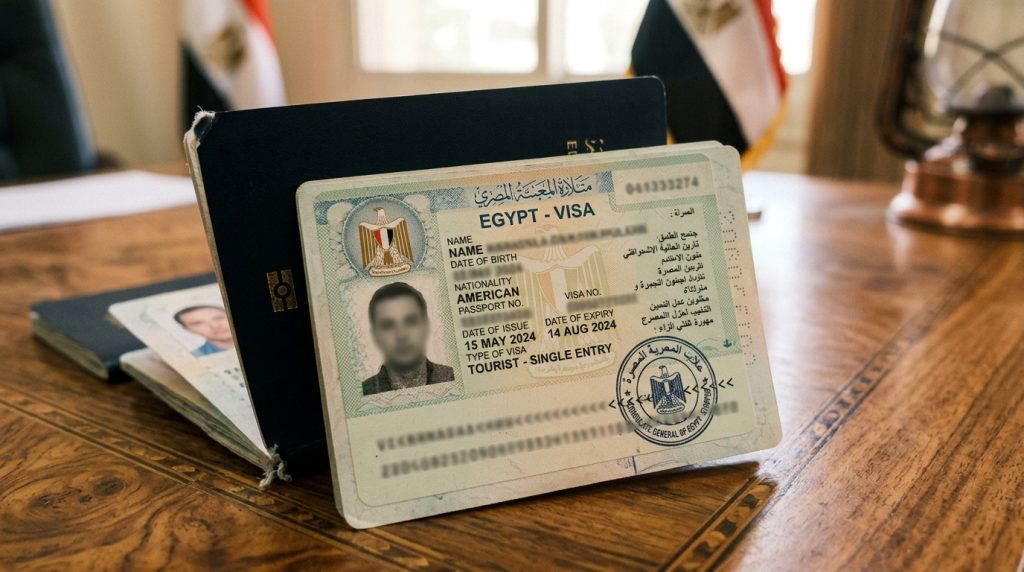
Kenya serves as a vital gateway for international travel, serving as both a major destination for government dignitaries and a key transit hub for travelers heading elsewhere. As the country evolves its immigration infrastructure toward digital solutions, it is essential for travelers to distinguish between specialized entry permissions. Whether you are traveling on official diplomatic business or merely passing through the country, understanding the correct pathway is critical for a smooth experience.
Official Travel and the Courtesy Visa
For foreign government officials, diplomats, and international representatives, Kenya provides a specialized mechanism to facilitate movement. The KENYA COURTESY ENTRY PERMIT is designed specifically for holders of Diplomatic, Official, or Service passports who are entering the country on official missions.
This permit acts as a gesture of international hospitality, allowing those representing their home government or recognized international bodies to carry out their duties. Because it is issued on the grounds of international courtesy, it is typically granted “gratis,” or free of charge, to those who qualify.
Key Eligibility Factors for Official Entry
To qualify for this type of entry, applicants must meet strict criteria:
- Passport Type: Applicants must hold a valid diplomatic, official, or service passport.
- Official Documentation: A formal letter from the applicant’s home government or the relevant international organization is mandatory. This letter must outline the specific purpose and duration of the official visit.
- Purpose of Visit: The travel must be related to official government duties. It is important to note that this permit does not authorize the holder to engage in personal business, paid employment, or local commercial activities unrelated to their official mission.
Streamlining Transit Through Kenya
Travelers who are not entering Kenya for official duties but are instead using the country as a connecting point to a third destination must navigate the transit protocols. If you are flying into a Kenyan airport with the intent of leaving within a short period, you will need to utilize the Electronic Travel Authorization (eTA) system.
The GUIDE TO THE KENYA TRANSIT ETA provides the necessary roadmap for those whose journey involves a brief stay in the country. This authorization is specifically intended for visitors who intend to transit through Kenya—perhaps to visit local sights or meet friends—for a period not exceeding three days (72 hours).
How the Transit eTA Functions
- Application Process: The eTA is a digital authorization that must be secured online before departure. It is advisable to apply at least three days prior to travel to ensure sufficient processing time.
- Scope of Permission: This authorization allows for limited movement outside the transit area of the airport. It is the perfect solution for travelers with long layovers who wish to explore Nairobi or other nearby areas before catching their onward flight.
- Important Exceptions: It is worth noting that if you are a transit passenger who remains within the international transit precinct of the airport and does not clear immigration, you generally do not require an eTA. However, if you plan to exit the airport to stay at a hotel, meet contacts, or sightsee, securing the transit eTA is a mandatory step.
Planning Your Journey
Regardless of whether you are traveling for high-level government diplomacy or simply transiting through East Africa, preparation remains the most important factor in a successful trip. The move toward a digitized, semi-automated immigration system has made it easier than ever to secure the correct permissions before leaving home.
- Check Your Requirements: Start by confirming whether your passport and the purpose of your visit align with either official courtesy status or standard transit protocols.
- Organize Your Documentation: For official travel, keep your diplomatic credentials and letters of invitation ready. For transit travel, ensure your onward flight details and hotel bookings are readily available for the online application.
- Submit Early: Even with efficient processing times, submitting your applications well in advance of your departure date is a best practice. This provides a buffer for any potential technical delays or requests for additional information from the Directorate of Immigration Services.
By proactively identifying the correct entry category, travelers can bypass unnecessary complications at the port of entry and focus on the primary objective of their trip, whether that is high-stakes diplomacy or a seamless connection to an onward destination.