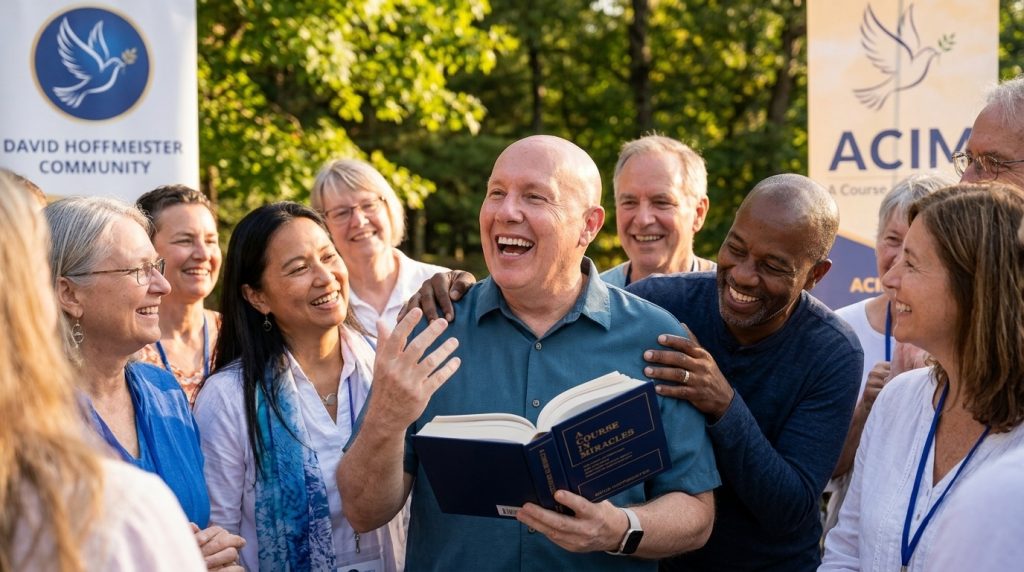
In the fast-paced landscape of the 21st century, many people are searching for more than just traditional self-help advice. They are seeking a radical shift in perspective—a way to experience inner peace despite the chaotic nature of the modern world. For those drawn to non-dual spirituality, the path offered by A Course in Miracles (ACIM) has become a primary touchstone for transformation. At the heart of this movement is the david hoffmeister community, a global network of dedicated students who aim to put these profound principles into daily practice.
Understanding the Non-Dual Approach
At its core, A Course in Miracles is a self-study curriculum designed to undo the ego’s belief in separation. It suggests that our perceived conflicts—whether professional stress, relationship tensions, or global crises—are merely projections of an internal, conflicted mind. By choosing to see through the lens of forgiveness rather than judgment, students of the course attempt to bridge the gap between their daily experience and a deeper sense of reality.
This is where the david hoffmeister community offers a unique contribution. Rather than keeping spirituality confined to a book or a morning meditation session, this group emphasizes a lifestyle of “constant prayer” and “no private thoughts.” They encourage members to bring the light of awareness into every interaction, turning mundane tasks and interpersonal challenges into opportunities for healing.
Moving Beyond the Ego
One of the most difficult aspects of personal development is recognizing how the ego defends itself. We often use spiritual concepts to bolster our self-image, rather than to dismantle the belief in a limited, separate self. The teachings popularized within this community focus heavily on the idea of “undoing.” This is not about self-improvement in the traditional sense; it is about stripping away the layers of fear and defensiveness that block one’s natural state of peace.
In practice, this often involves a radical honesty. Members are encouraged to communicate openly about their triggers, fears, and projections. By refusing to hide behind a mask of spiritual perfection, individuals can support one another in identifying the ego’s traps. This collaborative approach creates a safety net where participants feel emboldened to question their deepest-held assumptions about who they are and what they need to be happy.
Practical Application in Modern Life
Critics of spiritual traditions often argue that such practices are too detached from the “real world.” However, modern practitioners argue the opposite: that true peace must be portable. It should be just as accessible in a bustling office or a heated family argument as it is in a quiet room.
To facilitate this, many students utilize digital resources, such as podcasts and online sessions, to maintain a focus on their practice throughout the day. These tools allow individuals to stay connected to a supportive environment, even when they are physically isolated from others who share their spiritual goals. By listening to discussions about how to navigate modern challenges like work stress, technology, and interpersonal dynamics through the lens of ACIM, practitioners find they are better equipped to respond to life with grace instead of reaction.
The Power of Shared Intent
The journey of spiritual awakening is rarely a solo venture. Even if the work is internal, the reflection provided by a community is invaluable. When a group of people gathers with the singular intent of undoing the ego, the energy shifts. There is a move away from personal agendas and toward a collective focus on clarity and love.
This sense of shared intent helps participants navigate the inevitable ups and downs of life. When one person is struggling, the group provides a reminder of the goal. When another is experiencing a breakthrough, the group celebrates the realization of truth. This reciprocal dynamic fosters a depth of connection that feels rare in a world that often rewards competition and individualism.
Integrating the Lesson
Ultimately, the goal of any such spiritual path is to reach a point where the teachings are no longer “out there” but are fully integrated into one’s being. It is about reaching a state where forgiveness is not a task you perform, but a reflex you embody.
Whether you are new to these concepts or have been studying ACIM for years, the path is always the same: moving from complexity to simplicity. By intentionally choosing to let go of the need to be “right” and instead opting for the experience of peace, we open the door to a life that feels more authentic, spacious, and free. Through ongoing study, community support, and a relentless focus on the present moment, anyone can begin to experience the miracle of a healed mind.