India is a land of profound contrasts, where ancient heritage meets modern innovation. From the iconic silhouette of the Taj Mahal to the bustling tech corridors of Bengaluru and the tranquil backwaters of Kerala, the subcontinent offers an unparalleled experience for every type of visitor. For those planning a journey to this vibrant nation, the process of securing entry has been revolutionized by digital infrastructure, making the dream of visiting India more attainable than ever.
The Digital Shift in Travel Documentation
In recent years, the Indian government has prioritized a digital-first approach to immigration. The traditional days of mailing physical passports to consulates and waiting weeks for a response are largely over for most international tourists. The Electronic Travel Authorization (ETA), or e-Visa, has become the standard for entry, providing a secure and efficient way to obtain travel permission from the comfort of one’s home.
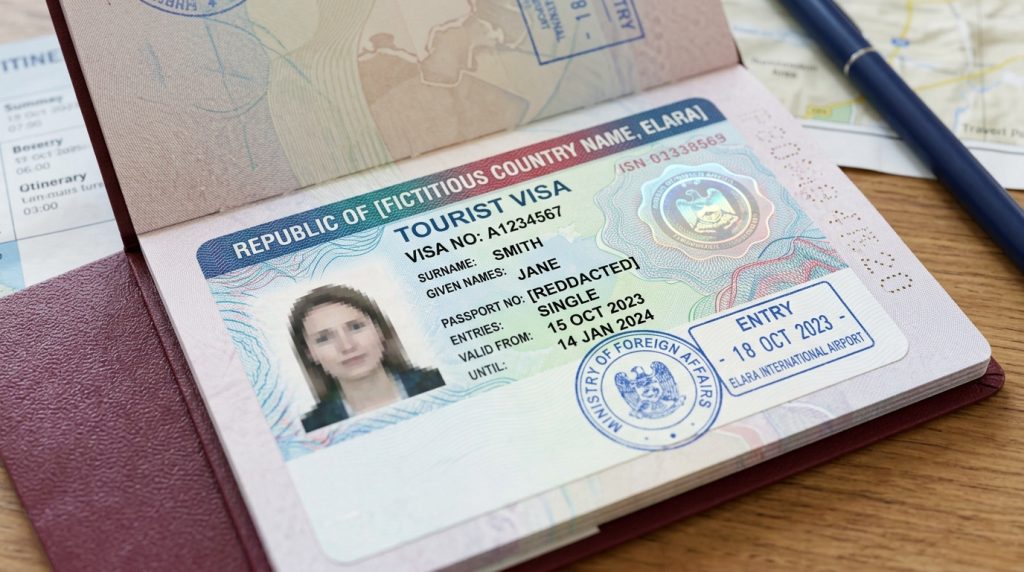
For travelers coming from North America, the transition to electronic systems has been particularly seamless. Understanding the requirements for an Indian Visa for US Citizens is the first step toward a successful trip. This digital pathway allows applicants to submit their personal details, upload a digital photograph, and provide a scan of their passport bio-page entirely online. Once processed, the approved visa is sent via email, which the traveler then prints and presents upon arrival at a designated international airport or seaport.
Streamlining the Entry Process
The flexibility of the current system is one of its greatest advantages. Whether you are traveling for a spiritual retreat, a high-stakes business meeting, or specialized medical treatment, there is a specific e-Visa category designed to meet your needs. This categorization ensures that the administrative side of travel aligns perfectly with the visitor’s intent.
To begin the process, most travelers utilize the Indian Visa Application Online portal. This user-friendly interface guides applicants through the necessary steps, including the payment of the processing fee. It is essential to ensure that all information entered matches the details on the passport exactly to avoid any delays. The system typically processes applications within a few business days, providing a level of speed and transparency that was previously unavailable in international travel.
Tips for a Smooth Arrival in India
To ensure your transition into the country is as smooth as the application process itself, keep the following technical requirements in mind:
- Passport Validity: Your passport must be valid for at least six months from the date of arrival.
- Blank Pages: Ensure there are at least two blank pages for the immigration officer’s stamps.
- Biometrics: Upon arrival, immigration officials will capture your biometric data (fingerprints and a facial photograph) as part of the entry procedure.
- Physical Copy: Always carry a printed version of your approved ETA to present at the boarding gate and the immigration counter.
India remains a destination that rewards the curious and the well-prepared. By leveraging the modern electronic visa system, visitors can bypass the administrative friction of the past and focus on the rich cultural tapestry that awaits them. Whether you are exploring the spice markets of Old Delhi or attending a yoga workshop in Rishikesh, the first step of your journey is now just a few clicks away.