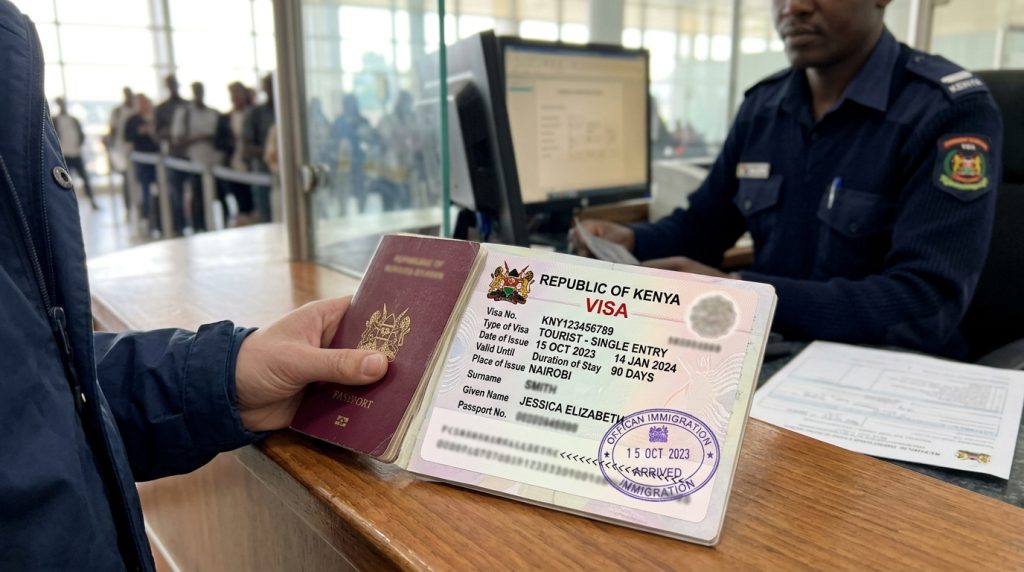
Kenya is a land of vibrant contrasts, offering everything from the high-octane energy of Nairobi’s financial district to the serene, sun-drenched beaches of the coast. As one of the most popular destinations in East Africa, it serves as a magnetic hub for both adventure seekers and global professionals. However, a successful trip depends on more than just packing the right gear; it requires a clear understanding of the country’s entry protocols and travel requirements.
Navigating the Digital Entry System
The Kenyan government has made significant strides in modernizing its borders, transitioning to a digital authorization system designed to enhance security and convenience. This means that the traditional “visa on arrival” is largely a thing of the past. Travelers are now expected to secure their documentation online before they even board their flight. This shift has streamlined the process, reducing wait times at immigration desks and allowing for better trip planning.
Because regulations can occasionally shift due to new bilateral agreements or policy updates, it is highly recommended to consult a reliable KENYA VISA FAQ before starting your application. These resources address common concerns such as passport validity requirements, digital photo specifications, and the expected turnaround time for approval. Being well-informed helps prevent simple clerical errors that could otherwise lead to travel delays.
Success for Professional Visitors
While many visit for the world-renowned safaris, Kenya is also a premier destination for corporate engagement. As the gateway to the East African Community (EAC) market, the country hosts thousands of international delegates annually for conferences, trade shows, and investment meetings.
For those arriving for professional reasons, understanding the nuances of BUSINESS TRAVEL TO KENYA is essential. Unlike standard tourism, business-related entry may require additional documentation, such as an invitation letter from a Kenyan company or a clear itinerary of scheduled meetings. It is important to distinguish between a short-term business visit and work that requires a specific permit to ensure full compliance with local labor and immigration laws.
Practical Tips for a Seamless Arrival
Once your digital authorization is granted, keep both a digital copy on your smartphone and a printed version in your carry-on luggage. While the system is electronically linked to your passport, having a physical backup can expedite the check-in process at various transit points.
Furthermore, ensure your passport has at least six months of remaining validity and at least two blank pages for entry and exit stamps. Kenya also has strict laws regarding plastic bags and certain environmental protections, so a quick review of customs regulations will ensure you move through the airport without any hiccups.
By taking the time to understand the administrative side of your trip, you set the stage for an enriching experience. Whether you are closing a major deal in a skyscraper overlooking Uhuru Park or watching the sunrise over the Great Rift Valley, proper preparation ensures that your focus remains exactly where it should be: on the incredible opportunities that Kenya provides.