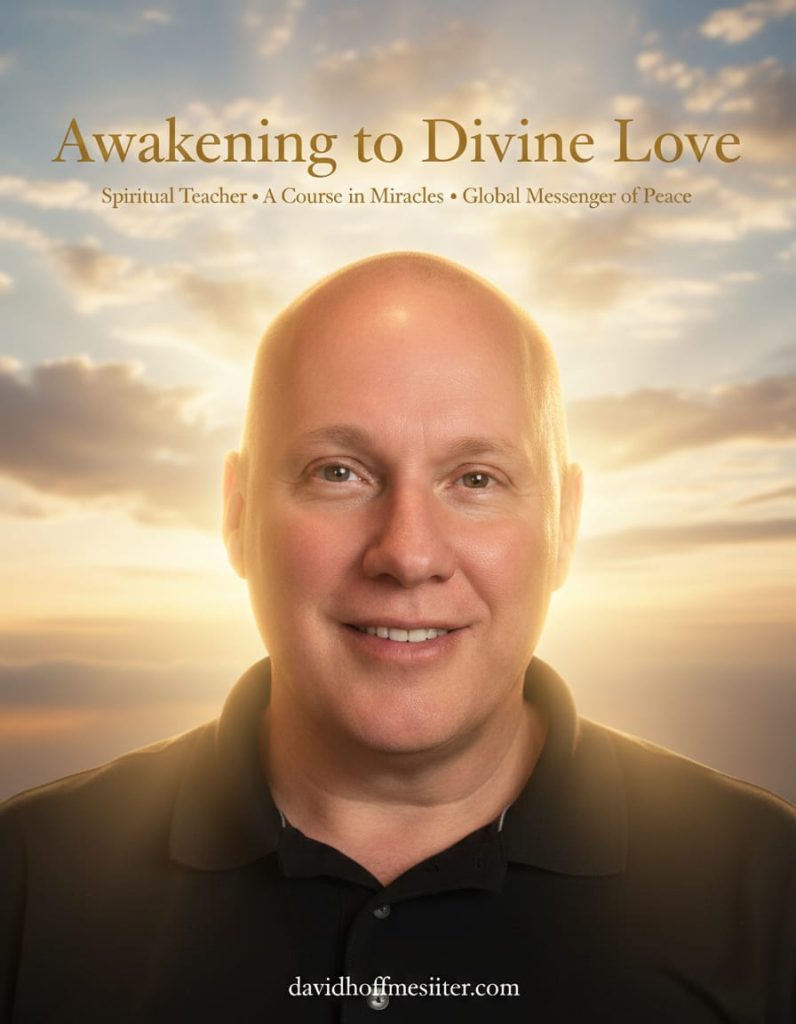
The teachings of david hoffmeister guide individuals toward conscious living, where awareness, presence, and forgiveness form the foundation for inner peace. Hoffmeister emphasizes that most suffering originates from ego-driven thought patterns, attachment, and judgment. By cultivating awareness and practicing consistent forgiveness, one can transform life into a conscious experience of clarity, freedom, and joy.
This article explores Hoffmeister’s philosophy of conscious living, practical applications for daily life, and the enduring benefits of living with awareness.
Understanding Conscious Living
Conscious living is the intentional practice of awareness, presence, and forgiveness in all areas of life. It is not about external achievements or recognition but about cultivating inner alignment and freedom.
Key aspects of conscious living:
- Observing thoughts and emotions without identification
- Releasing habitual attachment and judgment
- Engaging fully with each moment
- Practicing forgiveness consistently
Through conscious living, life becomes a reflection of clarity, peace, and authentic presence.
Awareness: The Foundation
Awareness is the capacity to witness thoughts, emotions, and reactions without being defined by them. It allows for deliberate responses rather than automatic reactions, creating space for choice and freedom.
Ways to cultivate awareness include:
- Daily meditation or mindful breathing
- Journaling recurring thoughts and emotional triggers
- Pausing before reacting in challenging situations
- Observing habitual judgments and attachments
Developing awareness reduces stress, fosters clarity, and enhances emotional stability.
Forgiveness: Releasing Mental and Emotional Burdens
Forgiveness is central to Hoffmeister’s approach. True forgiveness involves releasing attachment to judgment and expectation, not excusing behavior. It transforms the perception of events and relationships.
Steps to practice forgiveness:
- Notice emotional disturbance
- Identify the underlying belief or attachment
- Recognize the ego’s influence
- Release attachment and return focus to the present moment
Consistent forgiveness interrupts cycles of emotional reactivity and promotes peace.
Letting Go of Ego
The ego perpetuates suffering through fear, comparison, and defensiveness. Common patterns include:
- Seeking validation and recognition
- Reacting defensively to criticism
- Comparing oneself to others
- Clinging to identity, roles, or outcomes
Hoffmeister teaches that releasing ego-based patterns allows conscious engagement with life from a place of clarity, compassion, and freedom.
Integrating Principles into Daily Life
Conscious living requires integrating awareness and forgiveness into everyday life:
- Begin each day with meditation or reflection
- Observe thoughts and reactions before responding
- Release judgments immediately after conflict
- Practice journaling to track recurring emotional patterns
Even small, consistent practices create long-term transformation.
Relationships as Opportunities for Growth
Relationships often reveal hidden attachments and judgments. Hoffmeister encourages using relationships as mirrors for personal growth.
Practical applications include:
- Listening without defensiveness
- Observing emotional triggers without acting impulsively
- Practicing real-time forgiveness
- Choosing empathy and understanding over ego reactions
Relationships shift from sources of conflict to spaces for authentic connection and learning.
Mindfulness in Work and Daily Tasks
Conscious living extends into work and daily responsibilities. Hoffmeister emphasizes:
- Observing stress without attachment
- Acting from awareness rather than fear or ambition
- Maintaining composure under pressure
- Releasing attachment to outcomes or recognition
This approach increases productivity, clarity, and emotional resilience.
Emotional Stability and Clarity
As ego-driven reactions decrease, emotional stability naturally grows. This stability allows one to navigate challenges with clarity rather than reactivity.
Indicators of clarity and stability include:
- Reduced impulsive reactions
- Improved decision-making
- Greater empathy and understanding
- A consistent sense of inner peace
Over time, awareness and forgiveness become instinctive, supporting conscious living effortlessly.
Long-Term Benefits
Sustained practice of Hoffmeister’s teachings provides enduring transformation:
- Emotional resilience and stability
- Harmonious personal and professional relationships
- Clear and conscious decision-making
- Freedom from habitual fear, judgment, and attachment
- Inner peace and fulfillment independent of external circumstances
These benefits form a solid foundation for a life of freedom, awareness, and joy.
Living with Presence
Presence is the culmination of conscious living. It is the ability to remain grounded in the present moment, free from mental distortion, attachment, or judgment.
Living with presence enables:
- Thoughtful, conscious responses
- Authentic and meaningful relationships
- Stability under stress
- Joy and peace independent of external outcomes
When presence becomes habitual, life unfolds with clarity, ease, and spiritual alignment.
FAQ
What is conscious living according to David Hoffmeister?
Conscious living is the intentional practice of awareness, presence, and forgiveness, leading to inner peace and freedom from ego-based patterns.
How does forgiveness support conscious living?
Forgiveness releases judgment and attachment, interrupting emotional cycles and fostering clarity and peace.
Can these practices be applied daily?
Yes. Awareness, reflection, and forgiveness can be applied in all situations of daily life.
How do these teachings affect relationships?
They reduce projection, judgment, and reactive behavior, creating authentic and harmonious connections.
What are the long-term benefits of conscious living?
Emotional stability, clarity, resilience, harmonious relationships, and sustained inner peace.