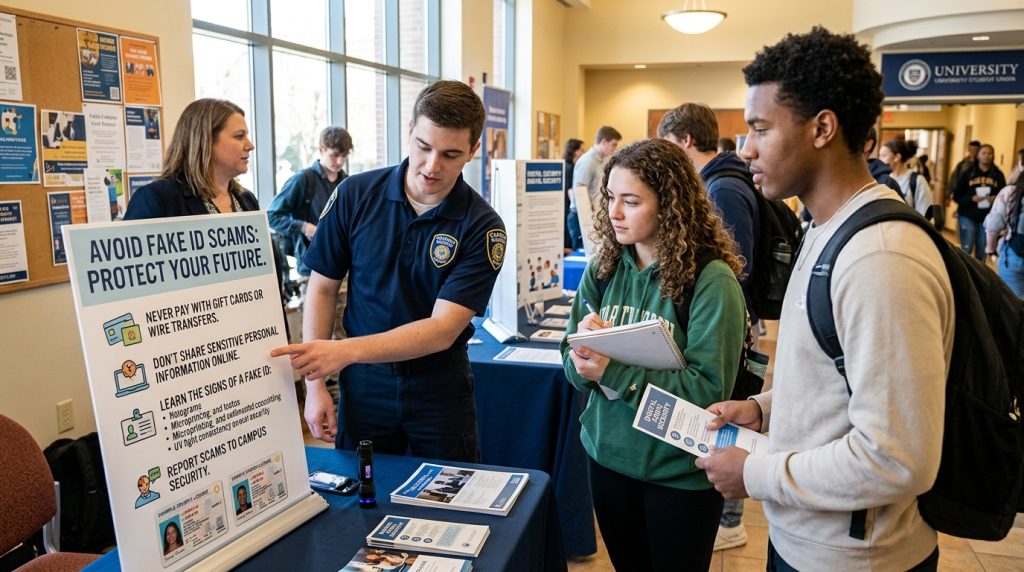
The digital age has made it easier than ever for unregulated markets to thrive online. Among the most persistent is the fake id industry, a sector that operates in the shadows of the internet, promising “high-quality” replicas to unsuspecting consumers. While the lure of gaining access to restricted venues or services might seem tempting to some, the reality is far more dangerous. Beyond the immediate legal risks, this industry is riddled with sophisticated predators looking to steal personal data and financial information.
Understanding the Modern Risks
Years ago, a “fake ID” was often a crude physical forgery. Today, the landscape has shifted toward digital fraud and identity theft. When a user interacts with websites like IDGod or its various clones, they aren’t just buying a plastic card; they are handing over their most sensitive details—full names, birth dates, home addresses, and even high-resolution photographs—to anonymous entities.
In many cases, these sites operate as “exit scams.” They collect payments via untraceable methods like cryptocurrency or gift cards and then vanish, leaving the buyer with nothing but a compromised identity. Because the transaction itself is illicit, victims have no legal recourse to get their money back, making it the perfect environment for scammers to flourish.
How to Detect and Avoid Scams
Navigating the web safely requires a high level of skepticism. If you want to protect yourself, you must learn how to avoid fake id scams by recognizing common red flags.
- Unsecured Payment Methods: Legitimate businesses use encrypted gateways and credit card processors. If a site insists on Bitcoin, Western Union, or “Friends and Family” PayPal transfers, it is almost certainly a scam.
- Grammatical Errors and Poor Design: Many fraudulent sites are hosted on offshore servers and are rushed into production. Look for broken links, pixelated images, or “About Us” pages that make no sense.
- The “Too Good to Be True” Promise: Scammers often promise 24-hour delivery or “100% scannable” guarantees for a fraction of what a real document would cost to produce. These are bait tactics to lure in impulsive buyers.
The Legal Implications
It is important to remember that in many jurisdictions, including the Philippines, the use and even the possession of falsified government documents can lead to severe criminal charges. Law enforcement agencies have become increasingly adept at tracking the digital footprints of these transactions. A single moment of poor judgment can lead to a permanent criminal record, affecting future employment, travel, and housing opportunities.
Choosing Legitimate Alternatives
Instead of risking your future in the volatile fake id industry, the best path is always the legal one. If you have lost your identification or need a valid ID for official use, follow the proper government channels. While the process may take longer, it ensures your data remains secure and your record stays clean.
By staying informed and remaining vigilant against the tactics used by online predators, you can avoid fake id scams and ensure your personal information remains exactly where it belongs—in your hands.