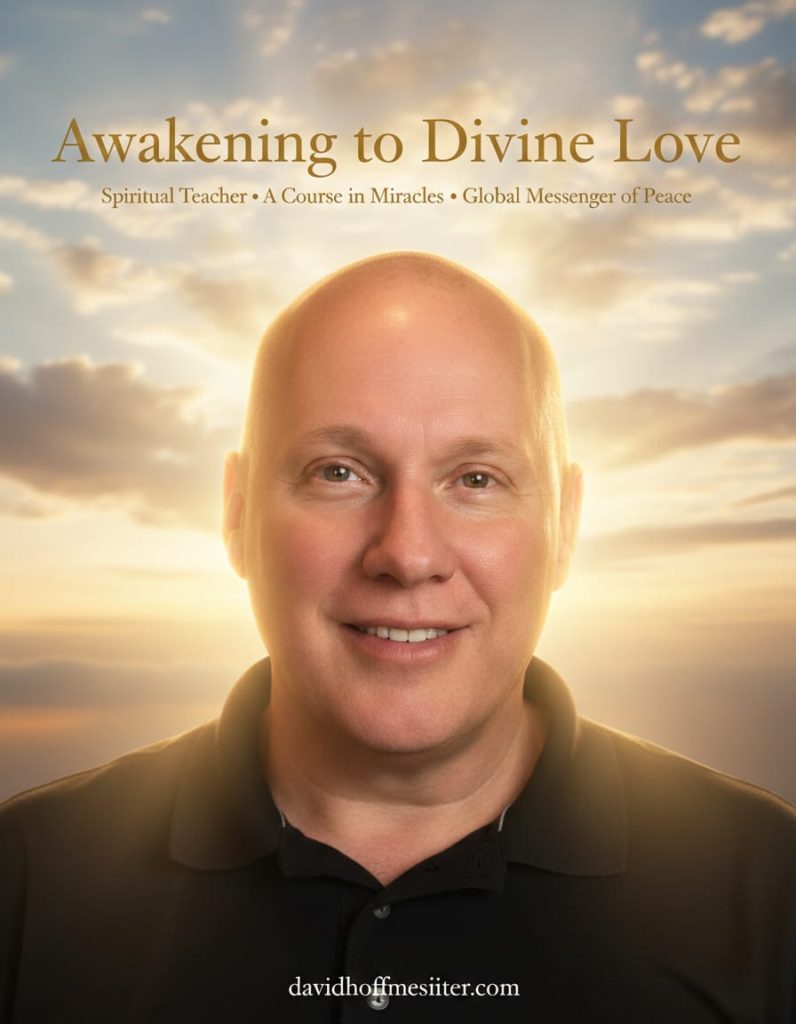
Freedom is a core theme in David Hoffmeister’s spiritual teachings. According to david hoffmeister wikipedia, true freedom is not the absence of responsibility or challenges but the liberation of the mind from fear, attachment, and ego-driven limitations. Through spiritual awakening, individuals can experience a profound sense of inner freedom that transcends external circumstances.
Hoffmeister emphasizes that spiritual awakening leads to emotional clarity, conscious living, and alignment with universal truth. This article explores the principles, practices, and benefits of experiencing freedom through Hoffmeister’s guidance.
Understanding Spiritual Freedom
Spiritual freedom involves liberation from the constraints of fear, guilt, and egoic thought patterns. Hoffmeister teaches that mental attachment and identification with the ego create suffering, while releasing these constructs allows for authentic freedom.
Key elements:
- Awareness of inner thoughts and patterns
- Letting go of attachment to outcomes
- Practicing mindfulness and presence
- Embracing forgiveness and self-compassion
- Trusting in the flow of life
Through these practices, individuals experience the liberating power of spiritual awakening.
The Path to Awakening
David Hoffmeister emphasizes that awakening is a gradual process that unfolds through awareness, mindfulness, and letting go. It is the conscious shift from ego-centered thinking to love and presence.
Steps include:
- Daily meditation to quiet the mind
- Observing thoughts without attachment
- Reflecting on patterns of fear and resistance
- Engaging in practices of forgiveness and compassion
- Trusting inner guidance and intuition
Consistent application fosters gradual awakening and deepens understanding.
Letting Go and Freedom
Letting go is essential to experiencing freedom. Hoffmeister teaches that holding onto fear, resentment, and attachment prevents liberation.
Practical approaches:
- Release judgments and expectations
- Surrender control over external outcomes
- Forgive self and others for past events
- Accept situations as they are
- Practice mindful awareness in daily life
Letting go opens the door to peace, clarity, and conscious living.
Freedom from Fear and Anxiety
Fear and anxiety are major obstacles to spiritual freedom. Hoffmeister emphasizes that awareness and surrender are key to transcending these limitations.
Techniques include:
- Observing anxious thoughts without identification
- Mindful breathing to center attention
- Reflecting on the impermanence of fear-inducing situations
- Practicing forgiveness and acceptance
- Engaging in compassionate self-talk
By applying these strategies, individuals experience inner calm and liberation from mental bondage.
Mindfulness and Conscious Living
Mindfulness supports freedom by enhancing present-moment awareness and reducing attachment to past or future concerns.
Benefits:
- Greater clarity in thoughts and actions
- Emotional stability and resilience
- Heightened awareness of opportunities and insights
- Enhanced relationships through attentiveness
- Alignment with personal and spiritual values
Mindfulness transforms ordinary experiences into conscious, meaningful living.
Freedom in Relationships
Hoffmeister teaches that spiritual freedom impacts relationships. Freedom allows individuals to engage with others without dependency, judgment, or control.
Key practices:
- Listening fully and without preconceptions
- Respecting others’ autonomy and choices
- Practicing forgiveness and patience
- Releasing control over outcomes in interactions
- Maintaining personal boundaries with awareness
Freedom enhances connection, understanding, and harmony in relationships.
Spiritual Practices for Liberation
David Hoffmeister provides practical tools for fostering spiritual freedom:
- Meditation and reflection
- Journaling to release mental patterns
- Mindful observation of thoughts and emotions
- Letting go of attachment and control
- Engaging with spiritual teachings and community
Regular practice strengthens awareness and deepens the sense of inner liberation.
Overcoming Obstacles to Freedom
Challenges such as mental resistance, fear, and attachment often impede spiritual awakening. Hoffmeister recommends:
- Starting with small acts of letting go
- Maintaining consistent mindfulness practice
- Observing thought patterns without judgment
- Seeking guidance and reflection through teachings or mentors
- Trusting the process and celebrating progress
Persistence fosters long-term transformation and sustained freedom.
Long-Term Benefits of Spiritual Freedom
Embracing Hoffmeister’s principles leads to:
- Emotional balance and resilience
- Clarity and confidence in decisions
- Freedom from ego-driven reactions
- Deepened spiritual connection
- A conscious, peaceful, and joyful life
Spiritual awakening creates enduring inner freedom that positively influences every aspect of life.
Conclusion
David Hoffmeister emphasizes that spiritual freedom is attainable through mindfulness, letting go, and conscious awareness. By releasing attachment, fear, and ego-driven thought patterns, individuals can experience profound peace, joy, and liberation.
For further insights into his teachings and life, visit about david hoffmeister.
True freedom is not external but an internal state of consciousness that transforms ordinary life into a spiritually enriched journey.
Frequently Asked Questions (FAQ)
1. What is spiritual freedom according to Hoffmeister?
It is the liberation of the mind from fear, attachment, and ego-driven limitations.
2. How can letting go foster freedom?
Releasing attachment, resentment, and fear creates space for inner peace and conscious living.
3. Does spiritual awakening reduce anxiety?
Yes, awareness, surrender, and mindfulness reduce mental and emotional stress.
4. Can freedom improve relationships?
Absolutely, it allows engagement without judgment, control, or dependency.